How people in their 20s dated in 2026: bolder, still awkward
This was the year twentysomethings said they wanted more flirting and admitted they were too nervous to do it. The research from the dating apps, a long-running national survey of singles and Pew's last big online-dating study tells a fairly consistent story: people want it obvious, they're scared of being cringe, and a lot of them are asking a chatbot first.
Jump to a section
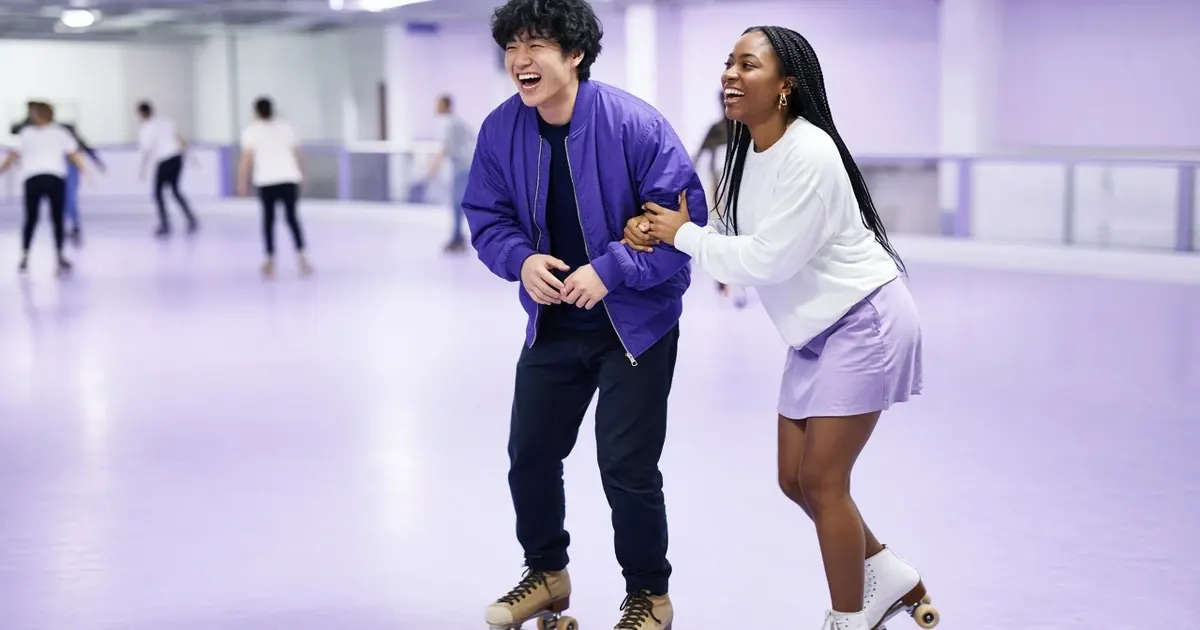
In 2026, people in their 20s said they wanted dating to be clearer and more playful, and that nerves kept getting in the way. In Hinge’s October research, 65% of Gen Z daters said they’d rather someone flirt a little awkwardly but make their interest obvious than be smooth and leave it unclear.1 Yet most also said they hesitate to flirt, on apps and in person.
Key takeaways
- Obvious beats smooth for about two in three Gen Z daters in Hinge’s research.1
- The fear is cringe, not skill. 70% rate themselves good flirts, and 49% hold back on apps anyway.1
- Questions win second dates. 85% said thoughtful questions make them want another date.2
- AI is in the mix. 67% of Gen Z singles have used it for dating.3
What changed in how people in their 20s flirt?
Mostly, people started saying out loud that they wanted more of it. Hinge reported that mentions of “flirt” in its users’ profile answers rose 31% over six months, and that 79% of Gen Z daters say good flirting makes dating more fun.1
The catch is confidence in the moment. Seven in ten rated themselves good or excellent flirts, but 67% said they hesitate on dating apps and 70% in person. 84% rewrite their flirty texts at least some of the time.1 When Hinge asked what’s harder, Gen Z daters were far more likely to say it’s knowing whether flirting is welcome than knowing how to do it.1
That’s why the 65% figure matters. The thing people fear (looking clumsy) is the thing most of the other side says it doesn’t mind.
Were first dates any deeper?
People wanted them to be. In Hinge’s 2025 report, built on about 30,000 of its users worldwide, Gen Z daters were 36% more hesitant than millennials to start a deep conversation on a first date.2 They also misjudged their own question-asking: 62% of heterosexual Gen Z daters thought they asked enough questions, while only 30% felt their dates did.2
The same report found 85% were more likely to want a second date after being asked thoughtful questions. Follow-ups on something said earlier topped the list.2 It’s a low-cost habit with a measurable payoff, at least among people on that app.
Where did AI fit in?
Further in than most people expected a couple of years ago. The 2026 Singles in America survey, run by the Kinsey Institute and funded by Match, found 67% of Gen Z singles had used AI in their dating lives, compared with 46% of millennials.3 The most common uses were improving communication, finding better matches and brainstorming messages.
There are limits people care about, though. A third of singles called AI-altered profile photos a dealbreaker.3 Half of Gen Z also said they research dates online before meeting, most often through social media.3 We covered where that kind of checking stops being sensible in looking someone up before a first date.
Did apps stop mattering?
No. The most recent full Pew survey on online dating is older than this year’s app reports, fielded in July 2022. In it, 53% of adults under 30 had used a dating site or app, and 20% of partnered adults under 30 had met their partner on one.5 Apps are one route among several, not the whole map. For the bigger picture, see how most couples meet now.
A note on these sources
Two of them come from Hinge and one from Tinder, and both companies survey their own users. That’s useful for spotting what app daters say, but it isn’t a national sample, and Hinge’s flirting page doesn’t list a sample size.1 The Kinsey and Pew figures come from broader samples of US adults.35
Tinder’s year-end report went further and named the trends it expected to define 2026, including Clear-Coding and Friendfluence, describing a generation heading into the year wanting “no mixed signals.”4 That’s the company’s forecast, not a measured outcome. The flirting and question data above line up with it fairly well. If you want the practical version, clear-coding: saying what you want before date two is the follow-up.
FAQ
What are the biggest Gen Z dating trends of 2026?
Clearer intentions, more interest in flirting despite nerves, and AI help with messages. Hinge, Tinder and the Singles in America survey each point that way.134
Is it bad to be awkward when flirting?
Not according to the people on the receiving end. 65% of Gen Z daters in Hinge’s 2026 research preferred awkward but obvious.1
Do people in their 20s still use dating apps?
Yes. In Pew’s 2022 survey, 53% of adults under 30 had used one.5
Try it
When you like someone right now, what usually happens?
Steal this text
Say it in your own words, or start from these
Making it obvious, lightly
Okay, I've been trying to think of a smooth way to say I'd like to see you, and this is the best I've got. Coffee this week?
Matching their energy
Bold claim about your trivia skills. I think that needs testing in person. Thursday?
People who talk about this
- Credentialed source
Alexandra H. Solomon
Relational self awareness, dating and building lasting relationships, drawn from her couples work and her Northwestern course.
- Credentialed source
Justin J. Lehmiller
Research on sex, desire, casual relationships and friends with benefits.
- Credentialed source
- Trending voice
Nedra Glover Tawwab
Boundaries in relationships, family and friendship, and how to say what you need.
- Credentialed source
- Trending voice
Ramani Durvasula
Narcissistic and high conflict relationships, and recovering after leaving one.
Further reading
Pew Research Center, 2023
The who, where and why of online dating in the U.S. (opens pewresearch.org)Survey numbers on who uses dating apps, which ones, and why, with a close look at adults under 30.
Sources
- Daters Tell Hinge: Good Flirting Starts With a Little Awkwardness
- Hinge's New D.A.T.E. Report: How Gen Z Daters Can Close The Communication Gap in 2026
- 15th annual Singles in America Survey reveals how relationships, marriage, money and family are changing
- Tinder's Year in Swipe 2025: Tinder Presents Dating Trends For 2026
- From Looking for Love to Swiping the Field: Online Dating in the U.S.